Exploring the culture and lifestyle news of Iraq

Provided by AGP

Got News to Share?

AGP Executive Report

Your go-to archive of top headlines, summarized for quick and easy reading.

Note: These AI-generated summaries are based on news headlines, with neutral sources weighted more heavily to reduce bias.

Iraq’s Cabinet Breakthrough (with gaps): Parliament approved Prime Minister-designate Ali al-Zaidi’s program and 14 of 23 ministers, but key posts like interior, defense, culture, and higher education were left unresolved—setting up another round of political bargaining as Iraq braces for fallout from the US-Iran war and Hormuz disruptions. Kurdish-Baghdad Reset: Kurdistan leaders congratulated Zaidi and pushed for renewed Peshmerga–Iraqi Army coordination against terrorism, while Nechirvan Barzani stressed constitutional dispute-solving. Tehran Signals “Brotherly Ties”: Iran’s foreign minister reaffirmed Tehran-Baghdad relations as top priority, even as Iran insists nuclear talks must be handled separately. Regional Pressure Point: Across the wider Middle East, the Strait of Hormuz remains the energy choke point—world leaders are calling for security and navigation, while markets react to any hint of reopening. Local Rights Win: An Iraqi court ruled a Christian woman can correct her state-registered religion after being automatically listed as Muslim.

Iraq’s Political Reality Check: Ahead of Thursday’s cabinet vote, Iraq’s political blocs are still fighting over who controls the state’s weapons—Sadiqoon says its participation depends on “restricting weapons” under religious authority, while satirist Ahmed Al-Basheer mocks the secrecy around PM-designate Ali al-Zaidi, calling him a “ghost” leader. Culture vs. Quotas: The Iraqi Artists Syndicate pushed back on plans to fold the Ministry of Culture into political quota-sharing, warning culture can’t be treated like a bargaining chip. Regional Pressure Point: Kuwait detained four alleged IRGC officers after a boat incident near Bubiyan Island, as Iran and Kuwait trade accusations. War’s Wider Ripples: Iran’s cyber retaliation hit Spotify with a brief DDoS disruption, while the Hormuz standoff keeps driving global energy anxiety. Diplomacy Watch: Iran says it’s reviewing a U.S. 14-point peace proposal via Pakistan, but nuclear and missile/proxy demands remain the sticking points.

Iraq’s Government Clock: Iraq’s parliament is set to vote Thursday on Prime Minister-designate Ali al-Zaidi’s cabinet lineup, a make-or-break step in forming the new federal government amid economic strain and regional pressure. Iran-U.S. Talks, Hormuz Pressure: Iran says it’s reviewing a U.S. 14-point peace proposal—while insisting its nuclear program is peaceful and warning the U.S. keeps pressure while talking; markets have swung on hopes of reopening the Strait of Hormuz, but missile and proxy demands remain the sticking points. Regional Security Fallout: Turkey’s stalled PKK peace process is being blamed on the Iran war’s destabilizing spillover, while Turkey also detained 324 ISIL suspects in nationwide raids. Culture & Sport: Google Gemini is now the AI platform sponsor for Iraq and Morocco’s World Cup teams, and the White House denied visa rumors that would have blocked Iraq players. Gulf Tensions in the Spotlight: Kuwait has again summoned Iran over alleged IRGC activity near Bubiyan Island, keeping the Gulf on edge.

Gulf Flashpoint: Kuwait summoned Iran’s ambassador after alleged IRGC-linked attackers tried to infiltrate Bubiyan Island, with Kuwait calling it a “grave breach” of sovereignty and Iran rejecting the claims. Hormuz Power Shift: As talks wobble, Iran is tightening its grip—expanding the Strait of Hormuz control zone in IRGC messaging and cutting fresh energy deals with Iraq and Pakistan to move oil and LNG, signaling Hormuz is becoming a “controlled corridor” rather than a neutral route. Diplomacy vs. Threats: Trump says he won’t need China’s help to end the war ahead of a Beijing summit, while the U.S. reviews a 14-point peace proposal that includes a 10-year uranium enrichment ban and reopening Hormuz—yet key demands on missiles and proxies remain unresolved. Security Fallout: Iran executed an alleged Mossad-trained spy, while a Westland man was sentenced for building a basement bomb to support ISIS. Culture Corner: Manassat Film Festival returns for its 10th edition in Cairo, blending film screenings with live literary readings.

Strait of Hormuz Diplomacy: Iran’s President Masoud Pezeshkian told Iraq’s PM-designate Ali al-Zaidi Tehran is ready to prove its nuclear program is peaceful, while Baghdad says it can host de-escalation talks with the U.S.—as Iran reviews a U.S. 14-point proposal that reportedly includes a 10-year uranium enrichment ban and reopening Hormuz, with Pakistan mediating and markets reacting. Energy Leverage: Reuters reports Iraq and Pakistan have struck deals with Iran to ship oil and LNG through the strait, showing Tehran’s shift from blocking to controlling access. Escalation Signals: Saudi Arabia launched unpublicized strikes on Iran in retaliation, and Iran’s war messaging increasingly labels the UAE a “hostile base.” Iraq Under Pressure: The U.S. keeps targeting Iran-linked sanctions evasion and corruption networks inside Iraq, while Iraq denies claims of a secret Israeli base and militias push back. Culture & Politics: In the UK, Labour leadership drama heats up as Wes Streeting’s ambitions are openly debated amid calls for Keir Starmer to quit.

US-Iran Ceasefire Drama: Trump says the ceasefire is on “life support” after rejecting Iran’s latest 14-point proposal, which reportedly includes a 10-year uranium-enrichment ban and reopening the Strait of Hormuz—while Pakistan mediates and oil prices swing on deal hopes. Nuclear Messaging: Pezeshkian tells Iraq’s PM-designate Ali al-Zaidi Iran is ready to prove its nuclear program is peaceful under global standards, even as Tehran pushes to keep nuclear talks out of war-ending negotiations. Iraq-Iran Religious Ties: Pezeshkian thanks Grand Ayatollah al-Sistani for support, and Barzani marks Leyla Qasim’s legacy as a symbol of Kurdish “sacrifice and patriotism.” Security & Networks: Türkiye arrests 43 Daesh suspects tied to a Telegram-linked fundraising scheme. Iraq’s Culture & Tech: Asiacell expands its digital ecosystem with a streaming partnership via 1001, boosting legal access to local and regional content. Local Spotlight: Mosul’s lone archaeology graduate reignites debate over under-enrolled university departments.

Hormuz Diplomacy Under Pressure: Iran says it’s ready to prove its nuclear program is peaceful and is open to talks with the U.S., while the U.S. is still reviewing a 14-point proposal that would include a 10-year uranium-enrichment ban and steps to reopen the Strait of Hormuz—yet key demands on missiles and Iran-linked militias remain stuck, and Trump keeps the threat of renewed strikes on the table. Iraq’s Power-Formation Fight: Iraq’s PM-designate Ali al-Zaidi is caught between U.S. conditions to curb Iranian-backed armed groups and reports of militia violence risk, as Iran insists Iraqis alone choose their political system. US Cracks Down Financially: Treasury is pushing banks to flag customers and transactions tied to Iranian sanctions-evasion, including disguised oil shipments and crypto-linked networks. Regional Security Ripples: Iran confirms deployment of Ghadir-class midget submarines in Hormuz; in Syria’s Hasaka, ISIS-linked attacks reportedly kill Syrian soldiers. Local Governance, Najaf Style: Najaf cancels the Al-Uwayqilah Saudi crossing plan and shifts to Al-Hakim, citing strategic commercial importance and Hajj-road access.

In Iraq and the wider region, the most immediate thread in the past day is the continuing security pressure around the Iran–US conflict and its spillover into Iraq’s north. Shafaq News reported Iraqi airstrikes against ISIS positions in Kirkuk (two F-16 strikes in the Hamrin mountain range) alongside a range of domestic incidents including arrests, residency violations, and a suicide death in Al-Muthanna. Separately, Erbil in the Kurdistan Region saw repeated Iranian attacks on Iranian Kurdish opposition groups’ bases and camps, with reports of missile/drone strikes targeting KDPI and Komala camps and claims that attacks have continued despite a ceasefire.

A second major development is Iraq’s political and diplomatic positioning amid the Iran–US standoff. Multiple items in the last 12 hours point to renewed talk of de-escalation: one report says the US and Iran are finalizing a 14-point memorandum to de-escalate conflict and restore maritime stability in the Strait of Hormuz, while another says Iran’s president Masoud Pezeshkian reiterated openness to dialogue (rejecting coercion) in a phone call with Iraq’s Ali al-Zaidi, with al-Zaidi offering to mediate between Tehran and Washington. In parallel, Iraq’s internal political trajectory remains a focus, with commentary framing the nomination of Ali al-Zaidi as a cautious hope for sovereignty and stability.

On the cultural and societal front, the coverage is more indirect but still notable: Shafaq News includes an Iraqi archaeologist’s demand for the return of a Mesopotamian bronze artifact held in Kuwait, calling the transfer “illegal” and arguing that antiquities cannot be privately owned or traded. The same period also includes reporting that Iraq’s holy cities are seeing reduced pilgrim flows—Najaf shopkeepers describe the economic impact of fewer visitors since the regional war began—underscoring how conflict dynamics are reshaping everyday life.

Finally, the most concrete “Iraq-linked” international security story in the last 12 hours is the return of Australian women and children allegedly linked to Islamic State from Syrian detention camps, with Australian police saying they may face criminal charges and investigations. While this is not an Iraq domestic event, it is part of the broader regional security and detention/return pipeline that repeatedly intersects with Iraq’s counterterror environment and the movement of people across the Syria–Iraq theater.

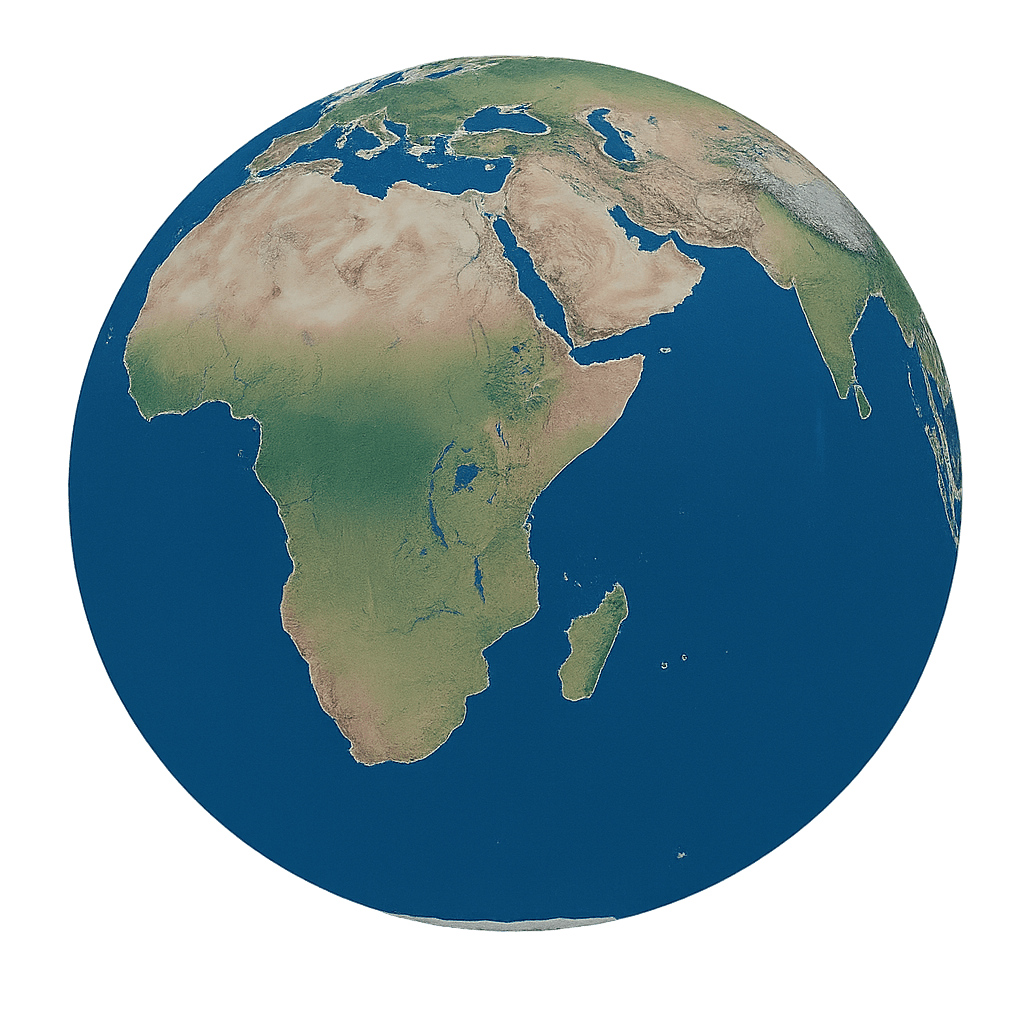
Over the last 12 hours, Iraq-related coverage is dominated by the regional spillover of the Iran–U.S. confrontation—especially its impact on Iraq’s Kurdish areas and on Iraqi sovereignty debates. Multiple reports say Iran continues attacking Kurdish groups and facilities in Iraq’s Kurdistan Region even after Iraq’s incoming prime minister-designate Ali al-Zaidi met officials in Erbil, with claims that Iranian drone and missile strikes hit camps used by Iranian Kurdish opposition groups. Separately, a powerful militia leader in Iraq (Akram al-Kaabi of Harakat Hezbollah Al Nujaba) rejected U.S. demands to disband after the U.S. placed a $10 million bounty on him, underscoring how U.S. pressure on Iran-aligned armed groups is colliding with local political and security realities.

A second thread in the most recent coverage links Iraq to the wider Hormuz crisis and the diplomatic messaging around it. The UAE and Israel-related reporting includes Netanyahu condemning Iranian attacks on the UAE and IRGC-affiliated media dismissing reports of an imminent U.S.–Iran deal as market-influencing narratives. While not Iraq-specific, these items help explain why Iraq’s political actors are being pulled into a larger regional contest—particularly as U.S. and Iranian positions appear to be shifting between escalation and negotiation.

There is also a clear “war economy” angle in the last-day reporting that touches Iraq indirectly through the broader costs of conflict. Articles discuss how the Iran war has disrupted regional systems and raised prices (including diesel and fertilizer costs in Wisconsin), and how the U.S. and Israel’s campaign and the Strait of Hormuz blockade are pressuring Iran’s economy—context that helps frame why Iraq’s internal stability and governance are being tested. In Iraq itself, one report highlights “Iraq’s Continuing Struggle for Sovereignty,” while another describes how regional war hushes activity in Iraq’s holy cities: Najaf’s shrine economy is said to be suffering as the usual influx of pilgrims has been stemmed by the regional conflict.

Looking beyond the last 12 hours, older material reinforces continuity: Iraq’s political formation process and the question of how to manage Iran-linked militias recur across the week, alongside repeated claims about Iranian attacks and U.S. responses. The most recent evidence, however, is richer on immediate security incidents (Kurdistan attacks; militia leader’s stance) than on Iraq’s domestic political negotiations—so the overall picture is of fast-moving battlefield pressure and bargaining over armed groups, with Iraq’s sovereignty and economy absorbing the shock.

Sign up for:

Today's Culture Iraq!

The daily local news briefing you can trust. Every day. Subscribe now.

By signing up, you agree to our Terms & Conditions.

Share us

on your social networks:

Sign up for:

Today's Culture Iraq!

The daily local news briefing you can trust. Every day. Subscribe now.

By signing up, you agree to our Terms & Conditions.