Exploring the culture and lifestyle news of Iraq

Provided by AGP

Got News to Share?

AGP Executive Report

Your go-to archive of top headlines, summarized for quick and easy reading.

Note: These AI-generated summaries are based on news headlines, with neutral sources weighted more heavily to reduce bias.

US-Iran Pivot: Trump says a deal is “largely negotiated” and talks are “orderly,” but he also insists the Hormuz blockade stays until a signed agreement—while Iran’s IRGC warns of a “crushing” response if attacks resume. Oil & Shipping Watch: A supertanker carrying Iraqi crude has left the Persian Gulf for China as officials push to reopen Hormuz and normalize traffic. GOP Backlash: Republican hawks are alarmed that any framework could let Iran survive and keep leverage over the strait, with warnings that it would “pour gasoline” on conflicts in Iraq and Lebanon. Iraq Security: Iraqi factions show “flexibility” toward phased disarmament after Eid al-Adha, with weapons transfer discussed under PM Ali Al-Zaidi and possible integration into the PMF. Public Health: Iraq’s Agriculture Ministry orders Eid al-Adha slaughter only at licensed abattoirs to curb Crimean-Congo hemorrhagic fever. Kurdistan Politics: Barzani meets KIU leader Salahaddin Bahaaddin as Kurdistan’s parliament reactivation push grows amid cabinet deadlock. Culture & Tolerance: Karbala University prepares “Karbala, Capital of Tolerance” to promote moderation and coexistence.
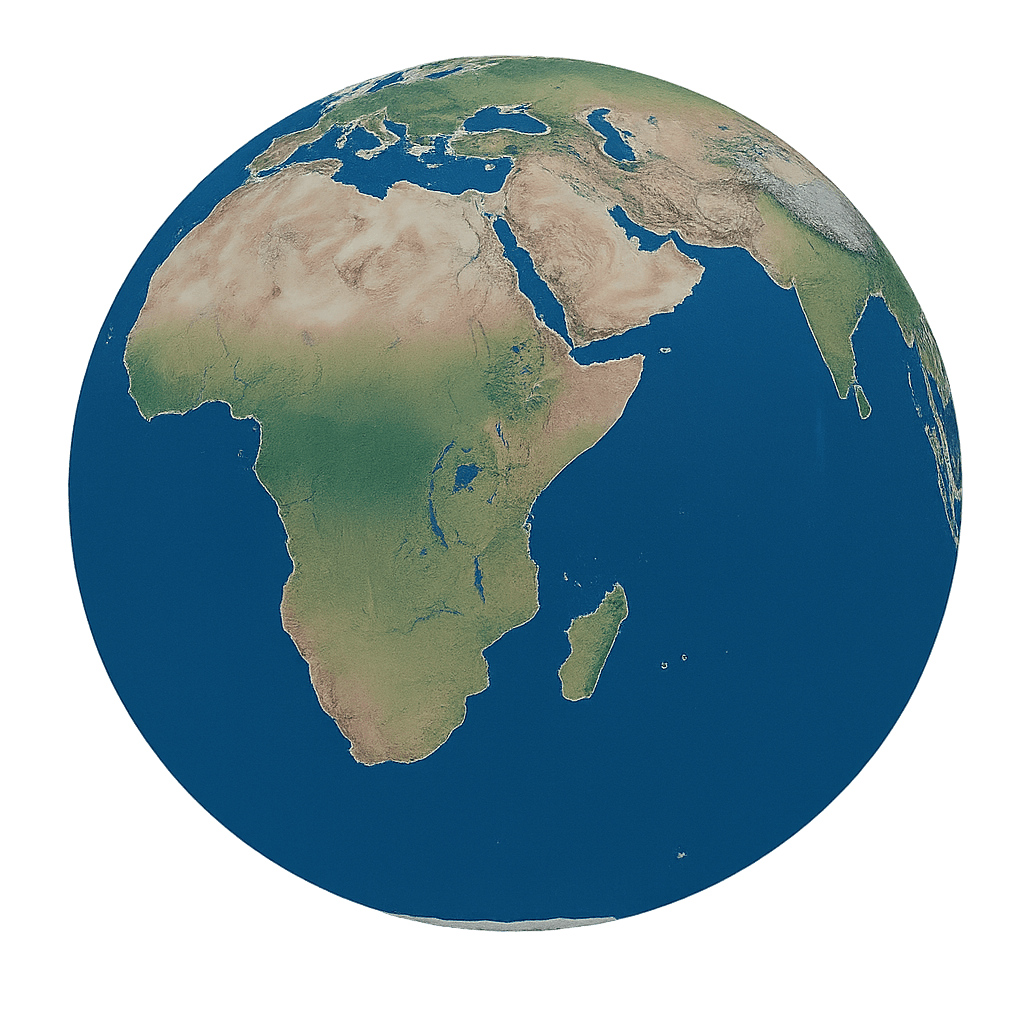
US-Iran Diplomacy: Trump says a “largely negotiated” peace framework is close, with the Strait of Hormuz set to reopen and final details “announced shortly,” after calls with Gulf leaders, Turkey, Egypt, Jordan, Bahrain, and a separate chat with Netanyahu—while Iran pushes back that gaps remain and insists Hormuz control stays with Tehran. Regional Security: The IRGC warns any renewed aggression will trigger a “devastating and hellish” response, as Iran also executes its first wartime espionage suspect. Iraq Governance: Iraq enters its 16th month without a federal budget, leaving 4,500 projects stalled and services at risk. Iraq Security: ISIS remnants take another hit in Kirkuk, with four militants reported killed in operations. Local Politics: Kurdistan’s parliament reactivation efforts continue as Barzani meets opposition mediators amid KDP-PUK deadlock. Culture & Faith: Shia communities mark Imam al-Baqir’s martyrdom anniversary, while Eid al-Adha coverage spotlights Abraham’s sacrifice story.

US-Iran Deal Watch: Trump says an Iran peace agreement is “largely negotiated” and will be announced “shortly,” with the Strait of Hormuz set to reopen—while Iran warns gaps remain and nuclear issues won’t be part of the first phase. Mediation Pressure: Pakistan’s army chief Asim Munir is shuttling between Tehran and Washington as Rubio calls it “some progress,” but both sides keep threatening escalation if talks fail. Iraq Security: In Kirkuk, Iraq’s airstrikes reportedly killed four ISIS members. Iraq Politics: Iraq’s cabinet completion is expected after Eid Al-Adha, and Kurdish leaders are urging unity to break the KDP-PUK deadlock. Local Life: Over 13,000 Iraqi dropout students are returning to school under the “Fursa” program, and Najaf and Karbala are rolling out major security plans for pilgrimage and Eid crowds. Terror Plot Shock: Reports claim an IRGC-trained Iraqi militia commander pledged to assassinate Ivanka Trump, with a blueprint of her Florida home.

Assassination Plot Exposed: US prosecutors say an Iraqi operative tied to Iran’s IRGC and Kataib Hezbollah pledged to kill Ivanka Trump and even carried a blueprint/map of her Florida home—revenge, they claim, for the 2020 killing of Qasem Soleimani. US Politics in Motion: The same week, Tulsi Gabbard resigned as US director of national intelligence, citing her husband’s rare bone cancer, adding more churn inside Trump’s second-term team. Iraq Caught in the Middle: With reports of Israeli activity in western Iraq, militia drone attacks from Iraqi territory, and Iranian Kurdish fighters in the north, Iraq remains a frontline for the US–Iran fight—even as a new Iraqi government tries to form cabinets and stabilize. Diplomacy Under Pressure: US-Iran talks are described as “slight progress,” while Pakistan’s army chief heads to Tehran to keep the ceasefire from collapsing.

Cabinet Shake-Up: Tulsi Gabbard resigned as Trump’s director of national intelligence, effective June 30, saying she must stay by her husband’s side after a rare bone cancer diagnosis; Trump named her deputy, Aaron Lukas, as acting DNI. Iran Talks, Still Uncertain: U.S. Secretary of State Marco Rubio said there’s “slight progress” in Iran negotiations as Pakistan’s army chief heads to Tehran again to mediate, but both sides remain unclear on whether war resumes. Hormuz Pressure: Iran is pushing long-term control of the Strait of Hormuz through fees or service charges, raising the stakes for any ceasefire deal. Iraq Security & Sovereignty: Iraq says a committee investigating attacks on Saudi Arabia and the UAE will work with both countries on data and radar, while warning weapons must stay under state control. Local Governance: Iraq’s new government approved tighter plastic bag rules—ending free distribution, restricting use in bakeries, and adding fees to push biodegradable alternatives. Militia Politics: Al-Nujaba rejected any PMF merger into a federal security ministry, calling it a U.S. project and warning of political backlash.

US-Iran Tension, Again: Iran has sent a fresh proposal to Washington—US troop exit near Iran, reparations, sanctions relief, frozen funds release, and an end to the Hormuz maritime blockade—while Tehran warns new aggression will “open new fronts.” Hormuz Pressure: Iran’s IRGC says 31 commercial ships transited safely through the Strait, as diplomacy runs through Pakistani mediation and a key visit to Tehran gets postponed. Iraq Security Claims: Iraq’s security chief says Israel “cannot establish any foothold inside Iraq,” dismissing reports of an Israeli base as false. Kurdistan Politics: KDP and PUK are expected to meet within days to break the deadlock ahead of Eid al-Adha. Iraqi Hajj Update: 42,000 Iraqi pilgrims have arrived in Makkah, with Saudi services including electronic sacrificial offerings. Gaza Flotilla Fallout: Israel says all 430 Global Sumud Flotilla activists are released and being deported. Culture & Politics: A generational shift in US conservatives’ Israel stance is being debated after JD Vance faced tough questions at Turning Point USA.

Iraq-UAE Tensions: Prime Minister Ali al-Zaidi renewed Iraq’s condemnation of drone attacks blamed on Iraqi territory, after the UAE said a strike hit equipment near the Barakah nuclear plant and Saudi Arabia reported drones entering from Iraq—Baghdad says it’s investigating and rejects using Iraqi airspace as a launchpad. Regional Diplomacy: Pakistan’s interior minister Mohsin Naqvi is in Tehran as Washington and Tehran trade proposals, while Trump warns talks are “borderline” and strikes could resume. Hormuz Pressure: Iran is formalizing control of the Strait of Hormuz with a new transit/toll authority, a move that could reshape oil shipping routes as truce hopes wobble. Kirkuk Politics: In Kirkuk, Turkmen momentum grows after a Turkmen-origin governor was elected via a PUK deal—watch whether the gains spread into the Kurdistan Region. Eid & Daily Life: Kurdistan braces for an Eid al-Adha tourism surge, with many hotels already booking up.

Executions in the shadows: Iran has been accused of secretly executing two Iraqi men in Karaj Central Prison on April 6, and of carrying out secret dawn executions of two Kurdish political prisoners in Naqadeh on May 21, with families reportedly denied notice or final visits. Iran war pressure on Iraq: Iraq’s PM Ali al-Zaidi ordered action against anyone using Iraqi territory to launch drones at Saudi Arabia and the UAE, after fresh Gulf demands to stop “hostile acts” from Iraq. Hormuz as leverage: Reuters reports Iran’s de facto control of the Strait of Hormuz is being enforced through inspections and sometimes “fees,” while tankers keep moving under IRGC coordination. Deal talks vs threats: Trump says Iran talks are “right on the borderline,” as Israel raises alert levels and Iran warns any renewed aggression could spread “beyond the region.” Kurdistan politics thaw: KDP and KJG leaders met in Erbil to ease a year-long government impasse.

Iran War Escalation: Trump says he may need to strike Iran again within days after pausing a “very major attack,” while Iran counters with a peace proposal that includes ending fighting across fronts and lifting sanctions—yet the Strait of Hormuz remains tense as transit traffic spikes and Iran warns any new attack could spread beyond the region. Naval Pressure & Oil Routes: The U.S. pushes a tougher “Steel Wall” posture, and reports say oil is increasingly being shipped overland via Syria—fees and all—giving former al-Qaeda-linked factions a surprising economic role. Diplomacy in Motion: Pakistan’s Mohsin Naqvi meets Iran’s top leadership in Tehran as Islamabad prepares fresh U.S.-Iran talks, with negotiations described as entering a critical phase. Culture & Society: A Texas Democratic runoff turns national after a candidate’s plan to “detain” American Zionists sparks outrage, while WFP highlights tech-driven hunger relief and a reminder that acute hunger could surge again.

Iran-US brinkmanship: Trump says he was “an hour away” from ordering new strikes, then paused again as talks with Tehran continue—while Iran’s latest proposal reportedly demands reparations, US troop exit, and sanctions relief. Oil & shipping signals: Two Chinese tankers left the Strait of Hormuz, a small but telling sign that markets are watching for a deal as gasoline pain and approval ratings bite. Regional blowback: The UAE says drones launched from Iraq hit near the Barakah nuclear plant; UN Security Council members condemned the strike. Hezbollah diplomacy tension: Hezbollah rejects Lebanon-Israel talks but backs Iran-US negotiations that would include Lebanon—highlighting a growing contradiction in how it treats “negotiations.” Iraq/Kurdistan focus: US officials urged continued Peshmerga funding amid proposed cuts, while Nechirvan Barzani met Italy’s leaders to push stability and ties. Culture/arts: The Whitney Biennial 2026 is being called “weird,” reflecting a broader mood of instability.

Iran Deadline Drama: Trump says he was “an hour away” from ordering fresh strikes, then paused again—giving Tehran “two or three days” (maybe Friday–Sunday) to reach a deal, while Iran counters with a new proposal demanding reparations, US troop withdrawal near Iran, sanctions relief, and an end to the marine blockade. Gulf Pressure & Drone Fallout: Gulf allies pushed the latest hold, even as the UAE says drones targeting its Barakah nuclear plant originated from Iraqi territory—raising fresh fears of escalation. US Accountability Clash: A top House Democrat grilled Pentagon leadership over a February strike on an Iranian primary school that killed 100+ children, demanding the US take responsibility. Hezbollah’s Child Recruitment: A report claims Hezbollah uses scout-style programs to groom children for martyrdom. Iraq Local Governance: Najaf looks to Erbil’s experience for water and transport projects, while Iraq’s new government faces a constitutional challenge over the confidence vote process. Culture & Politics: Natalie Maines reignites the culture-war with a Trump insult post, echoing the Dixie Chicks backlash era.

Iran-U.S. Standoff: Trump says he’s paused a “scheduled” Tuesday assault on Iran after Gulf leaders urged him to keep negotiations alive, while warning the U.S. is still ready for a “full, large scale assault” if no deal lands—his pitch: “NO NUCLEAR WEAPONS FOR IRAN.” Iran’s Counteroffer: Tehran’s latest proposal, sent via Pakistan, calls for ending hostilities on all fronts (including Lebanon), lifting sanctions and a U.S. marine blockade, releasing frozen assets, and even reparations for war damage. Iraq Security & Politics: An Iraqi man tied to Kata’ib Hizballah was charged in the U.S. over an alleged plan to attack a Jewish center in Scottsdale; meanwhile, Iraq’s Kurdish region reports renewed Iranian missile/drone strikes. Global Health Shock: WHO says it’s “deeply concerned” by the scale and speed of DR Congo’s Ebola outbreak. Culture/Opinion: A fresh editorial argues America’s Iraq war has become “topsy-turvy,” with calls for withdrawal.

Iran-U.S. Tension: Trump says he’s “holding off” a scheduled strike on Iran after Gulf leaders asked for more time on talks—while warning the U.S. is ready for a “large scale assault” if no deal comes. Nuclear Diplomacy: Iran’s president Pezeshkian tells Iraq’s PM-designate Ali al-Zaidi Tehran can meet global standards for a peaceful nuclear program, and Baghdad says it could host Iran-U.S. talks. Regional Flashpoints: A drone incident at Abu Dhabi’s Barakah nuclear plant and reports of drones intercepted from Iraq keep the Strait of Hormuz pressure high. Iraq Security & Diplomacy: Iran’s IRGC claims it struck “U.S.-linked” weapons smugglers in northern Iraq; meanwhile Iraq and UNDP sign a partnership to boost investment and infrastructure. Culture & Memory: UNESCO hails Abu Dhabi museums as “living platforms” for intangible heritage, and UNHCR marks 10 years with KFAED supporting displaced Iraqis. Human Rights Watch: Amnesty reports executions surged in 2025, with Iran a major contributor.

Iran-US Pressure Escalates: Trump renewed his “clock is ticking” warning to Iran, saying Tehran must move fast on a peace deal or “there won’t be anything left,” as reports swirl about potential US-Israeli strikes on Iranian energy targets and Iran vows it’s “fully prepared.” Hormuz Under Strain: Iran is pushing an insurance-and-declaration system for Strait of Hormuz transit, while Iran also warns the Gulf of Oman could become a “graveyard” for US ships if a blockade continues. Iraq’s Security Line: Baghdad reiterates it won’t allow its land to be used as a launching pad against neighbors, stressing de-escalation and sovereignty. Iraq in the Spotlight Beyond War: Asiacell and Paris Saint-Germain announced a landmark partnership—an Iraq-first at this scale. Regional Tensions Spill Over: Saudi Arabia intercepted three drones entering from Iraq, underscoring how the conflict’s ripples keep crossing borders. Ongoing Iraq-Linked Terror Case: An Iraqi man tied to Iran-backed Kata’ib Hizballah faces US terrorism charges tied to plots against Jewish targets in the US and Europe.

Iran-Iraq diplomacy: Iran’s President Pezeshkian told Iraq’s PM-designate Ali al-Zaidi that Tehran is ready to prove its nuclear program is peaceful, while blaming “contradictory” U.S. pressure for blocking talks; al-Zaidi said Baghdad could back de-escalation and even host Iran-U.S. discussions. Regional flashpoints: In Sulaymaniyah, the governor urged Iran’s new consul to stop strikes on Kurdish opposition camps, citing 700+ sovereignty violations; in the UAE, a drone attack sparked a fire at Barakah’s nuclear plant, underscoring how fragile the ceasefire remains. Iraq’s internal pressure: Baghdad received 4M+ pilgrims for Imam al-Jawad commemorations, while Anbar’s mass grave dispute grows as activists demand independent forensics. Security & terror: The U.S. and Nigeria-linked killing of ISIS leader Abu-Bilal al-Minuki is being followed by fears of retaliation, as Nigeria reports fresh schoolkid abductions in Borno. Economy: Iraq’s finance minister pushed to maximize non-oil revenues as Hormuz restrictions cut exports.

ISIS Blow to the Top: US and Nigerian forces killed ISIS second-in-command Abu-Bilal al-Minuki in a joint Lake Chad Basin operation, with Trump calling it a major counterterror win and Nigeria’s Tinubu praising the “daring” partnership—though the wider security fallout is already a concern after reports of fresh schoolchildren abductions in Borno. Iraq’s New Start, With Limits: Iraq’s new PM Ali al-Zaidi officially took office after parliament backed him and 14 ministers, promising a “comprehensive” reform push and a crackdown on corruption—while analysts warn he’s stuck balancing US pressure on militias and Iran ties. Nuclear Talks, Still Tense: Trump says Iran has “an interest” in reaching a deal as Tehran reviews a US 14-point proposal, including a long enrichment ban and Hormuz reopening, but missile and proxy demands remain unresolved. Culture & Memory: On May 17, the Brown v. Board ruling and Watergate hearings echo today’s debates about power, rights, and accountability.

ISIS Strike in Africa: Trump says U.S.-Nigerian forces killed Abu-Bilal al-Minuki, described as ISIS’s second-in-command, in a Lake Chad Basin operation, with Nigeria confirming “several lieutenants” were also hit. Iraq’s New PM Under Pressure: Ali al-Zaidi is trying to finish a cabinet and push a “comprehensive” reform plan while balancing Iran-US pressure over militias and state control of weapons. Militia Links to Terror Plots: An Iraqi Kataib Hezbollah commander, Mohammad Baqer Saad Dawood al-Saadi, faces U.S. charges tied to alleged attacks on Jewish targets across the U.S. and Europe, escalating fears of retaliation. Gulf Tensions, Again: Iran signals it may charge passage fees for Hormuz traffic, while the U.K. moves toward a defensive mission there—despite Trump’s criticism of British reluctance. Regional Noise, Global Echo: London sees huge Nakba Day and far-right/pro-Palestine protests, underscoring how Middle East conflict keeps spilling into Western streets.

Iraq’s New Government Turbulence: Iraq’s new PM Ali al-Zaidi won a partial cabinet confidence vote—14 of 23 ministers approved—while key portfolios like interior and defense were delayed amid political deadlock, and pro-Iran Coordination Framework rivals are already talking about forming a major Shiite parliamentary bloc. Press Freedom Under Pressure: A Baghdad rights group says nearly 1,000 journalist/media violations happened under al-Sudani and warns upcoming appointments could further squeeze expression. Regional Nuclear Diplomacy: Iran’s president Pezeshkian told al-Zaidi Tehran is ready to show its nuclear program is peaceful, while Iran’s foreign minister says enriched uranium is “not under negotiation” and trust is the biggest hurdle. Counterterror Spotlight: The U.S. and Nigeria say they killed ISIS’s second-in-command in Africa, as U.S. prosecutors also detail an Iraqi militia commander charged over alleged plots against Jewish targets in Europe and North America. Culture & Memory: Tikrit’s “Palace of the Girl” remains a mystery amid neglect, and Ramadi marks 11 years since ISIS seized the city—reconstruction is visible, but claims and losses linger.

Iraq’s New Government: Iraq’s parliament approved 14 of Ali al-Zaidi’s minister picks, clearing the way for him to be sworn in as PM, while key portfolios like interior and higher education stay in limbo—another reminder that Iraq’s “new” cabinets often inherit the same stalled promises. Iran-War Pressure: Iran’s president Masoud Pezeshkian told al-Zaidi Tehran is ready to prove its nuclear program is peaceful and offered de-escalation talks, as the U.S. reviews a 14-point proposal tied to a long enrichment ban and Strait of Hormuz reopening—yet Trump keeps mixing diplomacy with threats. Security Fallout: U.S. federal prosecutors accuse an Iraqi-linked commander of coordinating attacks across Europe and plotting in the U.S., framing it as retaliation tied to the Iran war. Regional Energy: The UAE is fast-tracking a pipeline via Fujairah to double exports by 2027, aiming to bypass Hormuz as Tehran expands its claimed control zone. Culture & Identity: In Kurdistan, leaders marked Kurdish Language Day, warning language rights are “under attack” by nation-state policies.

Iraq’s Government Reset: Ali al-Zaidi was sworn in as Iraq’s new PM with a partial Cabinet after parliament approved 14 ministers, while key posts like defense and interior stayed blocked in fresh political deadlock—Kurdistan leaders quickly signaled hope for better Erbil-Baghdad cooperation. Iran-U.S. Nuclear Talks: Iran’s President Masoud Pezeshkian told al-Zaidi Tehran is ready to prove its nuclear program is peaceful and offered de-escalation, as Iran reviews a U.S. 14-point proposal that would include a long uranium-enrichment ban and reopening the Strait of Hormuz—Pakistan is mediating. Strait of Hormuz Pressure: With shipping and oil nerves still raw, global markets have swung on deal rumors, even as missile and proxy tensions keep the region on edge. Human Rights at Home: In the U.S., immigrant-rights lawyers filed a complaint to ICE over conditions at Michigan’s North Lake detention facility, where detainees’ families say health is collapsing. Culture & Faith: A nun-led revival of female monastic life in India’s Chaldean Church and Iraq-linked art stories keep the week’s spotlight on identity, memory, and belonging.

Sign up for:

Today's Culture Iraq!

The daily local news briefing you can trust. Every day. Subscribe now.

By signing up, you agree to our Terms & Conditions.

Share us

on your social networks:

Sign up for:

Today's Culture Iraq!

The daily local news briefing you can trust. Every day. Subscribe now.

By signing up, you agree to our Terms & Conditions.